
If you've got an aggressive chewer at home, you already know the struggle. You hand over a chew with high hopes, turn around to grab your coffee, and by the time you sit back down — it's gone. Or worse, it's in five pieces on the floor and your dog is looking at you like, what's next?
Real talk: most chews just aren't built for power chewers. But the right natural dog chews? They can keep even the most determined destroyer busy, give them real mental stimulation, and actually be good for them at the same time.
Here's what I'd do if I were starting from scratch — and what I've seen work best for dogs who chew like it's their job.
Why Aggressive Chewers Need Natural Dog Chews
Here's the thing about aggressive chewers: they need to chew. It's not a bad habit or a behavioral problem. It's instinct. Chewing helps dogs relieve stress, work through boredom, and keep their jaws strong. The issue isn't the chewing — it's finding a chew that can actually keep up.
Most store-bought chews are packed with fillers, artificial preservatives, and ingredients you'd need a chemistry degree to pronounce. Not ideal. And the ones that are safe? They're often gone in minutes.
Natural dog chews solve both problems at once. They're made from real, recognizable ingredients — which means fewer things to worry about — and the best ones are dense and durable enough to give a power chewer an actual challenge.
For dogs who chew hard and chew often, you want something that:
- Is made from limited, natural ingredients
- Holds up under serious chewing pressure
- Supports dental health by scraping away plaque as they chew
- Keeps them mentally engaged (a busy dog is a calm dog)
The short version is: the right chew does double duty. It occupies your pup and does something good for them. That's the bar we set for everything in our natural chews collection.
What Makes a Natural Dog Chew Truly Long-Lasting?
Not all natural chews are created equal — and "natural" on a label doesn't automatically mean "durable."
Here's what actually matters for aggressive chewers:
Density. The harder and denser the chew, the longer it takes to break down. Hard chews like yak chews and elk antlers are designed to be worked on over time, not consumed in one sitting.
Moisture content. High-moisture chews (like fresh treats) break apart fast. Smoke-dried or air-dried chews lose moisture during processing, which is what gives them that staying power.
Size relative to your dog. A chew that's too small for a large dog is a choking hazard waiting to happen — and it'll be gone instantly. Size up. When in doubt, go bigger.
Single or limited ingredients. Fewer ingredients usually means less processing, and less processing usually means a more structurally intact chew. Look for options where you can count the ingredients on one hand — or less.
No artificial softeners or additives. Some commercial chews are treated with chemicals that make them more pliable but also easier to chew through. That might sound good, but for aggressive chewers, it just means they disappear faster.

Best Natural Chews for Aggressive Chewers
Long-Lasting Natural Dental Chews for Dogs
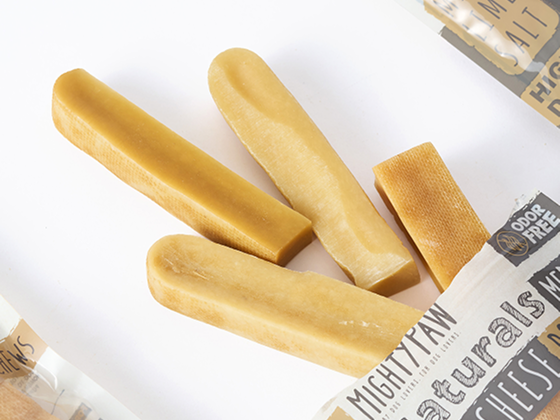
The gold standard for aggressive chewers who also need dental support? Yak Chews.
Made from just three ingredients — milk, lime, and salt — these hand-crafted chews are smoke-dried for weeks using a traditional Himalayan recipe. That process creates the dense, hard texture that power chewers can actually work through over time, while the chewing action helps scrape away plaque and tartar buildup.
Three ingredients. No preservatives. No mystery fillers. And for most dogs, they last significantly longer than your average dental chew. High in protein, low in fat, naturally grain-free — and every chew is something you can feel good about handing over.
Pro tip: when your yak chew gets small (about an inch), don't toss it. Soak it in water and microwave it for about 45 seconds. It puffs up into a crunchy, airy treat your dog will love. Zero waste, bonus treat. We love that for both of you.
Also great for dental health:
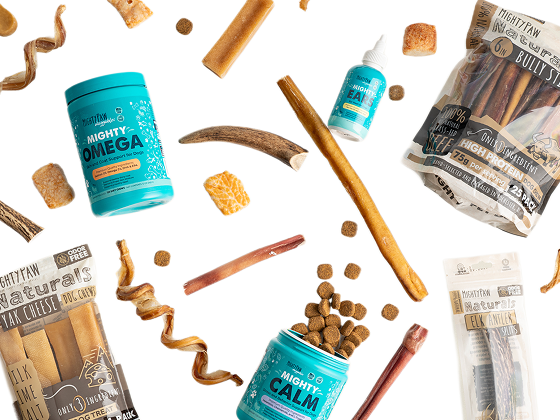
- Bully Sticks — single-ingredient, 100% beef, fully digestible. The scraping action as dogs chew helps clean teeth naturally, and they're a favorite for dogs who want something with a little more give than a hard chew.
- Collagen Sticks — made from beef hide, these are a safer, more digestible alternative to rawhide. Dense enough to keep aggressive chewers busy while supporting joint and skin health as a bonus.
All Natural Chew Toys for Power Chewers
When your dog needs something to really dig into, these are the picks that hold up:
Elk Antlers — shed antlers are one of the most naturally durable chews available. They're dense, long-lasting, and don't splinter like cooked bones. Great for dogs who want something they can gnaw on without it disappearing.
Cow Knee Caps — these are a fan favorite for good reason. The natural cartilage and marrow give aggressive chewers something genuinely engaging, and they last well for the size. The satisfying crunch when they finally break through? Your dog lives for that.
Beef Gullet — a naturally chewy, stretchy chew that's high in protein and glucosamine. Great for dogs who like texture variety, and gentler than hard chews for dogs who might be between "moderate" and "aggressive" on the chewing spectrum.
A note on all natural chew toys: the best chews for power chewers aren't toys in the traditional sense — they're edible, digestible, and purposeful. Look for whole-ingredient chews over synthetic rubber alternatives if your dog tends to break things apart and swallow pieces.
Natural Dog Chews for Teeth and Jaw Strength
Here's something a lot of dog parents don't realize: chewing is actually good for your dog's jaw muscles. Regular chewing on appropriate, firm chews helps maintain jaw strength, reduces anxiety, and even supports cognitive engagement — especially in older dogs.
The best natural dog chews for teeth and jaw strength are ones that require sustained chewing pressure over time:
- Yak Chews for their combination of hardness and dental-scraping benefit
- Elk Antlers for long-term gnawing without splintering
- Cow Ear Chews and Half Pig Ears for dogs who need something firm but slightly more flexible — great for dogs who are powerful but not at the extreme end of the chewing spectrum
For jaw strength specifically, the goal is finding chews your dog has to work for. That sustained engagement is what builds muscle and burns off mental energy.
How to Choose the Right Natural Chew for Your Aggressive Chewer
Here's what I'd look for — and ask yourself — before picking a chew:
1. How big is your dog, and how hard do they actually chew? There's a difference between a dog who chews enthusiastically and a dog who can get through a bully stick in 10 minutes flat. Know where your pup falls. Bigger, more powerful dogs need denser chews. Smaller aggressive chewers might do better with something firm but not rock-hard.
2. Are there any dietary restrictions or sensitivities? Single-ingredient chews are always your safest bet if your dog has a sensitive stomach or known food allergies. Bully sticks (beef), yak chews (milk, lime, salt), and elk antlers (no added ingredients) are all clean options.
3. Does your dog swallow large pieces? If your pup is a gulper — meaning they try to swallow chunks rather than chewing them down — you want to be extra careful about size and supervision. Choose chews that break down into smaller, soft pieces rather than large fragments.
4. Are you looking for dental benefit, mental stimulation, or both? Harder chews like yak chews and elk antlers are better for dental scraping. Marrow-based options like knee caps are great for enrichment. Bully sticks and collagen sticks hit both.
5. How long do you need it to last? If you're looking for a chew that keeps your dog busy during a work call, go with something dense and size-appropriate. If you're just looking for a quick satisfying chew between activities, a bully stick or gullet might be the perfect fit.
Browse the full natural dog chews lineup to find the right fit for your pup.

Chews to Avoid for Aggressive Chewers
This part matters. Not all chews are safe for dogs who chew hard — and some popular options are actually higher-risk than they look.
Rawhide. This is the big one. Rawhide is heavily processed (often with chemicals), doesn't break down well in a dog's digestive system, and can be a serious choking hazard when aggressive chewers bite off large chunks. We always recommend skipping rawhide and going with whole-ingredient alternatives instead.
Cooked bones. Cooked bones — including chicken, pork, and beef bones — can splinter into sharp shards when chewed. Those shards can cause internal damage. Raw bones are a different conversation, but cooked bones of any kind should be avoided for power chewers.
Very small chews for large dogs. A bully stick that's right for a 15-pound dog is a choking hazard for a 70-pound dog who can break it down fast. Always size appropriately.
Low-quality "dental sticks" with fillers. A lot of commercial dental chews are more treat than chew — loaded with starches, artificial flavors, and ingredients that offer very little real dental benefit. If the ingredient list is long and confusing, it's probably not the right pick.
Pressed rawhide. This is rawhide in disguise. "Pressed" or "compressed" hide products carry the same digestibility concerns as regular rawhide. Check the label.
The short version: if you can't pronounce the ingredients, your dog probably shouldn't eat it.
Safety Tips for Giving Natural Chews to Aggressive Chewers
Even the best natural chews require a little common sense. Here's what we always recommend:
Always supervise the first session. Until you know how your dog handles a new chew — how fast they work through it, whether they try to swallow large pieces — keep an eye on them. Especially with a new product.
Take it away when it gets small. Once a chew gets small enough to be swallowed whole, it's time to swap it out. A general rule: if it's smaller than your dog's muzzle, remove it.
One chew at a time. Rotating chews is great (and we encourage it!), but giving multiple chews at once can lead to overconsumption and stomach upset. One at a time, especially for dogs with sensitive digestive systems.
Introduce slowly. If your dog isn't used to natural chews, start with shorter sessions — 15 to 20 minutes — and build up. A new chew introduced too fast can cause loose stools even if it's a quality product.
Hydration matters. Make sure your pup has access to fresh water, especially with harder, drier chews. Chewing generates heat and dogs can get thirsty.
Know your dog's chewing style. Some dogs are methodical chewers; others are aggressive destroyers who try to bite chunks off. Adjust your chew choice accordingly, and always opt for something that's digestible if a piece does get swallowed.
Frequently Asked Questions About Natural Dog Chews for Aggressive Chewers
What are the best natural dog chews for aggressive chewers? The best picks for power chewers are dense, whole-ingredient chews that take time to work through. Top choices include yak chews, elk antlers, cow knee caps, and bully sticks. Look for limited ingredients, no preservatives, and appropriate sizing for your dog.
Are natural dog chews safe? Yes — when chosen appropriately and used with supervision. Natural, whole-ingredient chews are generally safer than heavily processed alternatives like rawhide. Always size correctly for your dog and remove chews once they get too small.
How long should a natural dog chew last? It depends on the chew type and your dog's chewing intensity. Yak chews and elk antlers can last anywhere from a few sessions to weeks for most dogs. Bully sticks and collagen sticks typically last one to several sessions. Every dog is different.
Are natural chews good for dogs' teeth? Yes. Many natural dog chews for teeth — particularly dense options like yak chews and collagen sticks — help scrape away plaque and tartar as your dog chews. They're not a substitute for brushing, but they're a meaningful addition to your dog's dental routine.
What's the difference between all natural chew toys and natural dog chews? Chew toys are typically durable rubber or synthetic items meant to be chewed but not consumed. Natural dog chews are edible and made from animal-based ingredients. Both serve a purpose, but for dogs with a strong chewing drive, natural edible chews usually provide better mental satisfaction.
Can puppies have natural dog chews? Some natural chews are appropriate for puppies, but it depends on the chew and the puppy's age and size. Softer options like bully sticks or beef gullet are generally better starting points than hard chews like elk antlers. Always consult your vet if you're unsure.
What makes a chew "all natural"? A truly all natural dog chew contains only animal-derived ingredients with no artificial preservatives, added colors, or synthetic additives. Look for chews where you recognize every ingredient on the label — or better yet, where the ingredient list is only one to three items long.
Final Thoughts: Keep Your Aggressive Chewer Happy and Healthy
Living with an aggressive chewer doesn't have to mean a constant cycle of destroyed chews, frustrated dogs, and nervous dog parents scanning the floor for choking hazards. It just means being intentional about what you hand over.
The right natural dog chews give your pup something worth their effort — real ingredients, real staying power, real satisfaction. And when your dog is happily working through a good chew? You both win.
Here's the approach I always come back to: rotate a few options, size up when in doubt, and stick to ingredients you can actually pronounce. Keep it simple, keep it natural, and keep your pup busy doing what they love.
Ready to find their next obsession?
Tough chewer? We've got you. Shop Mighty Paw Natural Dog Chews →