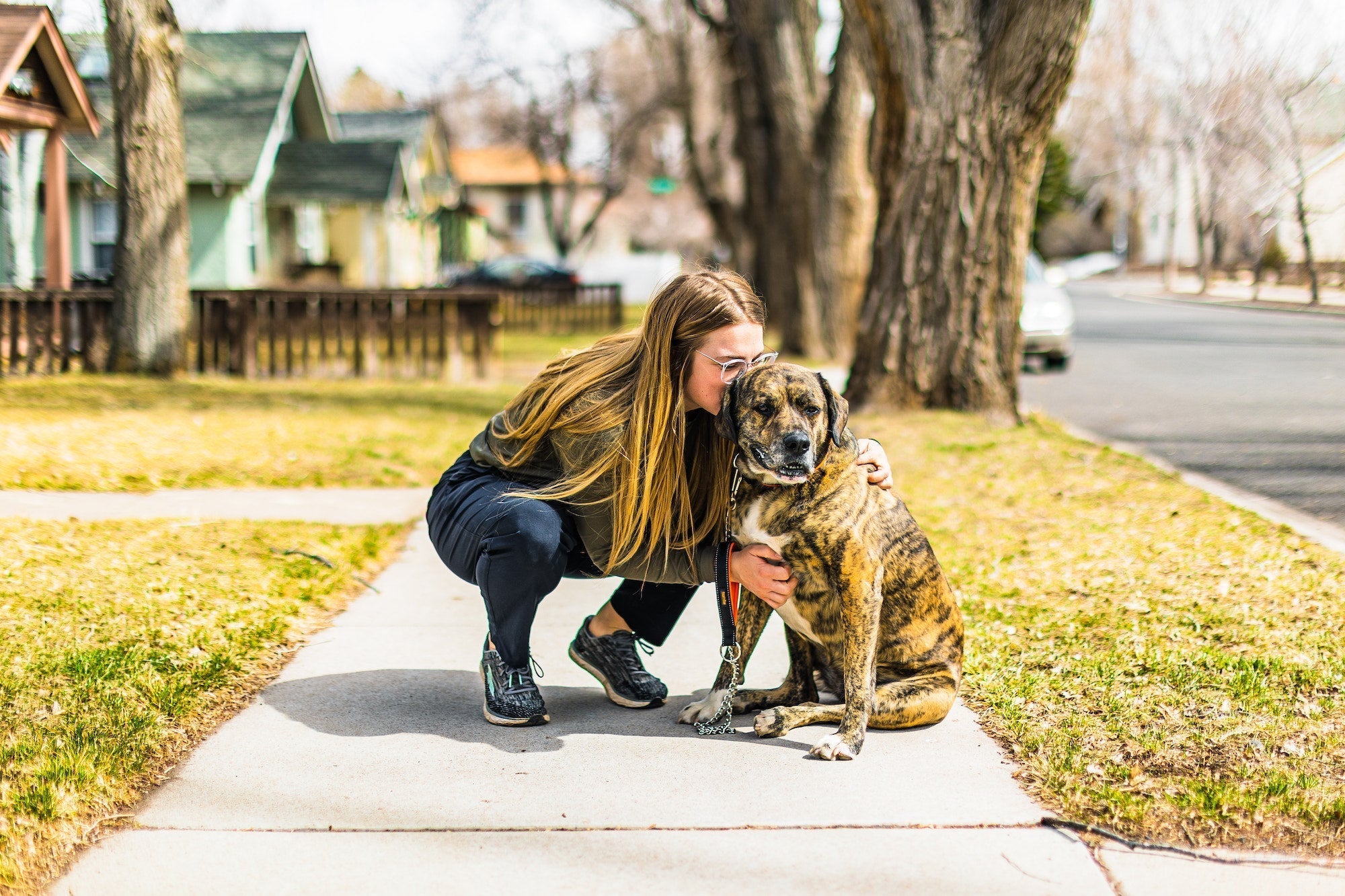


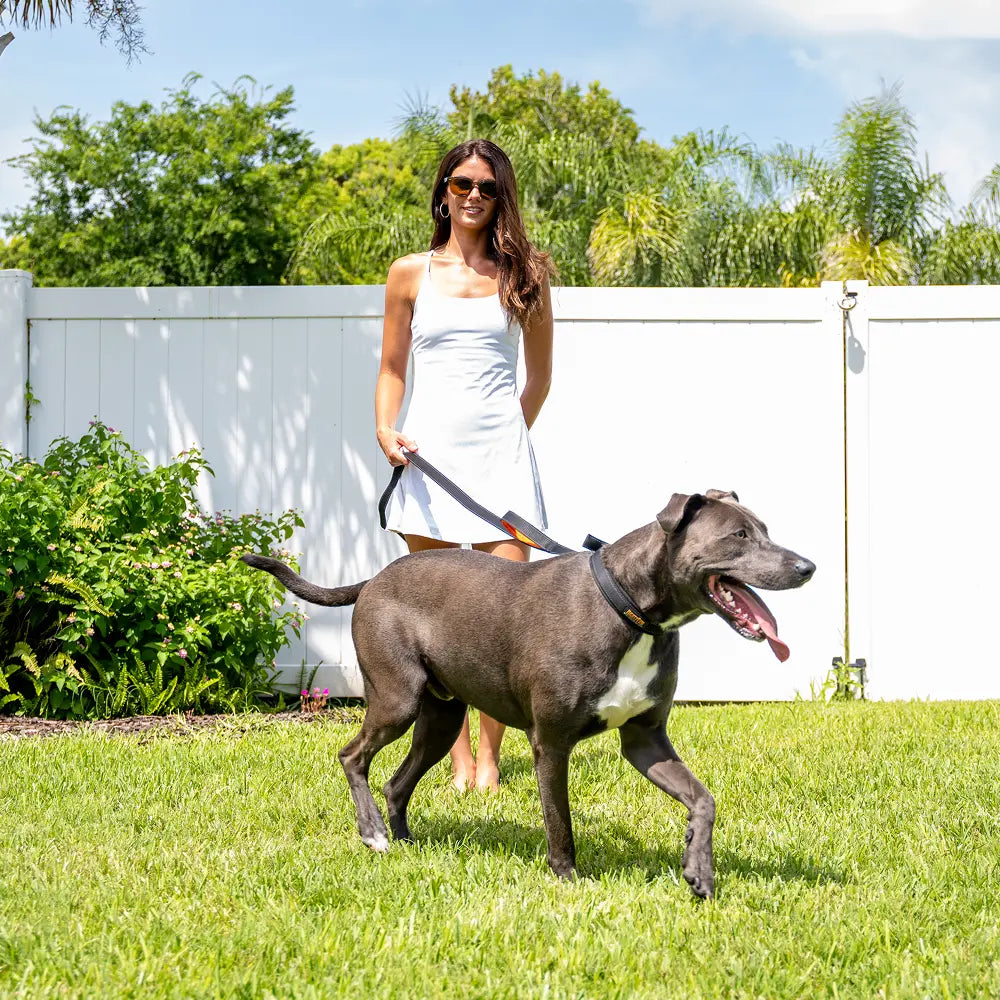
The start of a new year offers the perfect moment to reset routines and focus on long-term well-being—not just for you, but for your dog too. And here's the good news: improving daily routines doesn't require drastic changes or rigid schedules. In fact, the most effective changes come from consistency, structure, and positive reinforcement dog training.
Whether you're focused on better behavior, calmer walks, or creating a healthier daily rhythm, building intentional routines helps support both your dog's physical and emotional balance. Small, consistent actions create lasting change—for both of you.
Dog Habits for the New Year: Why Routines and Consistency Matter
While goals can feel motivating in the moment, long-term success comes from routine. Dogs thrive on predictability, and a clear dog routine helps them feel secure, calm, and confident. When expectations stay consistent, dogs become more responsive and less stressed.
Instead of short-term resolutions that fade by February, focusing on healthy habits for dogs leads to real improvements that last well beyond January. Your dog doesn't need perfection—they need predictable patterns they can count on.
Identifying Areas to Improve
Before making changes, take time to observe your dog's current patterns. Are walks rushed or stressful? Is training happening consistently, or only when behavior becomes challenging? Is your dog getting enough mental stimulation throughout the day?
Some common areas where dog parents find room for improvement include dog behavior, daily exercise, and overall structure. Addressing these areas gradually—rather than trying to overhaul everything at once—helps create a more balanced lifestyle that actually sticks.

Building a Strong Daily Structure
Dogs learn through repetition. A predictable daily structure is one of the most powerful ways to reinforce positive behaviors. Feeding times, walks, play sessions, and rest periods should follow a general rhythm your dog can rely on.
A well-balanced new dog owner routine (even for experienced dog parents!) doesn't need to be rigid or restrictive. Flexibility matters—life happens, schedules shift. But consistency over time is what helps routines take root and become second nature for both you and your dog.
Training Habits That Support Calm Behavior
Training forms the foundation of a balanced lifestyle. Short, consistent sessions woven naturally into daily life are far more effective than occasional marathon training days that leave everyone exhausted.
Reinforcing calm behaviors, practicing focus during walks, and maintaining consistency are all essential dog training tips that build on each other. Using dog training essentials—such as comfortable harnesses and durable leashes—makes these everyday moments easier and more productive.
Our training-focused gear at Mighty Paw is designed to support these daily training moments, especially during walks and routine-building. A comfortable harness that distributes pressure away from your dog's throat helps them learn loose-leash walking more easily. A reliable leash with dual handles gives you options for different training situations. These tools don't do the training for you, but they make the process smoother for both of you.
Wellness, Exercise, and Mental Stimulation
Physical and mental wellness play a major role in behavior. Dogs who get enough activity and enrichment throughout the day are naturally more relaxed and focused when it matters.
Supporting wellness might include improving your dog walking routine, increasing dog exercise in ways your dog genuinely enjoys, and adding mental stimulation for dogs through enrichment activities, scent work, puzzle toys, or interactive play sessions.
These practices support long-term balance and help prevent boredom-related behaviors like excessive barking, destructive chewing, or difficulty settling. A tired dog isn't just a good dog—they're a content dog who feels fulfilled.

Turning Changes Into Long-Term Habits
One of the most common mistakes dog parents make is trying to change too much at once. It's tempting to overhaul everything on January 1st, but sustainable progress comes from small, consistent actions that build on each other.
Linking new behaviors to existing routines—such as practicing training cues before walks or working on calm settling before meals—helps reinforce dog lifestyle improvements naturally. These connections make new habits easier to remember and more likely to stick for the long term.
Common Mistakes to Avoid
Inconsistency is one of the biggest challenges when building routines. Mixed signals, changing rules from day to day, or irregular schedules slow progress and increase confusion for your dog.
Another common issue? Impatience. Behavior change takes time, especially when working on dog behavior goals or making routine adjustments. Give yourself and your dog grace during this process. Progress isn't always linear, and some days will feel harder than others. That's normal—what matters is getting back to consistency.
A Fresh Start for You and Your Dog
The new year offers a wonderful opportunity to reset—not by reinventing everything overnight, but by strengthening the daily structure that supports you both. Small improvements in routine, training, and wellness can have a lasting impact on quality of life for you and your dog.
Focusing on consistency, patience, and balance helps create calmer days, better communication, and a stronger bond between you and your dog. These aren't just goals—they're gifts you give your dog every single day.
Small habits make a big difference. Discover Mighty Paw essentials that help you and your dog grow together—from harnesses and leashes designed for training success to enrichment tools that support mental wellness.
Here's to a year of healthier routines, stronger bonds, and the joy that comes from truly understanding your dog!