
Where it's made
The Milk
How they live
Made by
HOW WE’RE DIFFERENT
not all yak chews are the same.
“Yak Chew” is now one of the biggest dog treat categories in the US. The packaging all looks the same, so it’s genuinely hard to know what you’re buying. It comes down to two things: where it’s made, and the milk inside.

why they're called yak chews
The name doesn't tell you what's inside.
“Yak Chew” is just the English translation of Chhurpi: an ancient Himalayan cheese made with milk, lime juice, and salt. Anyone can make this hard cheese anywhere, with any milk, and still call it a Yak Chew. The name tells you almost nothing. The sourcing is everything.
Made with milk, lime juice, and salt, dried and pressed hard.

IT STARTS WITH THE MILK
what matters is the milk.
Animals that graze at elevation, roaming freely across steep terrain, away from pens and processed grain, live differently. That life shows up in their milk. And the milk shows up in your dog's chew.

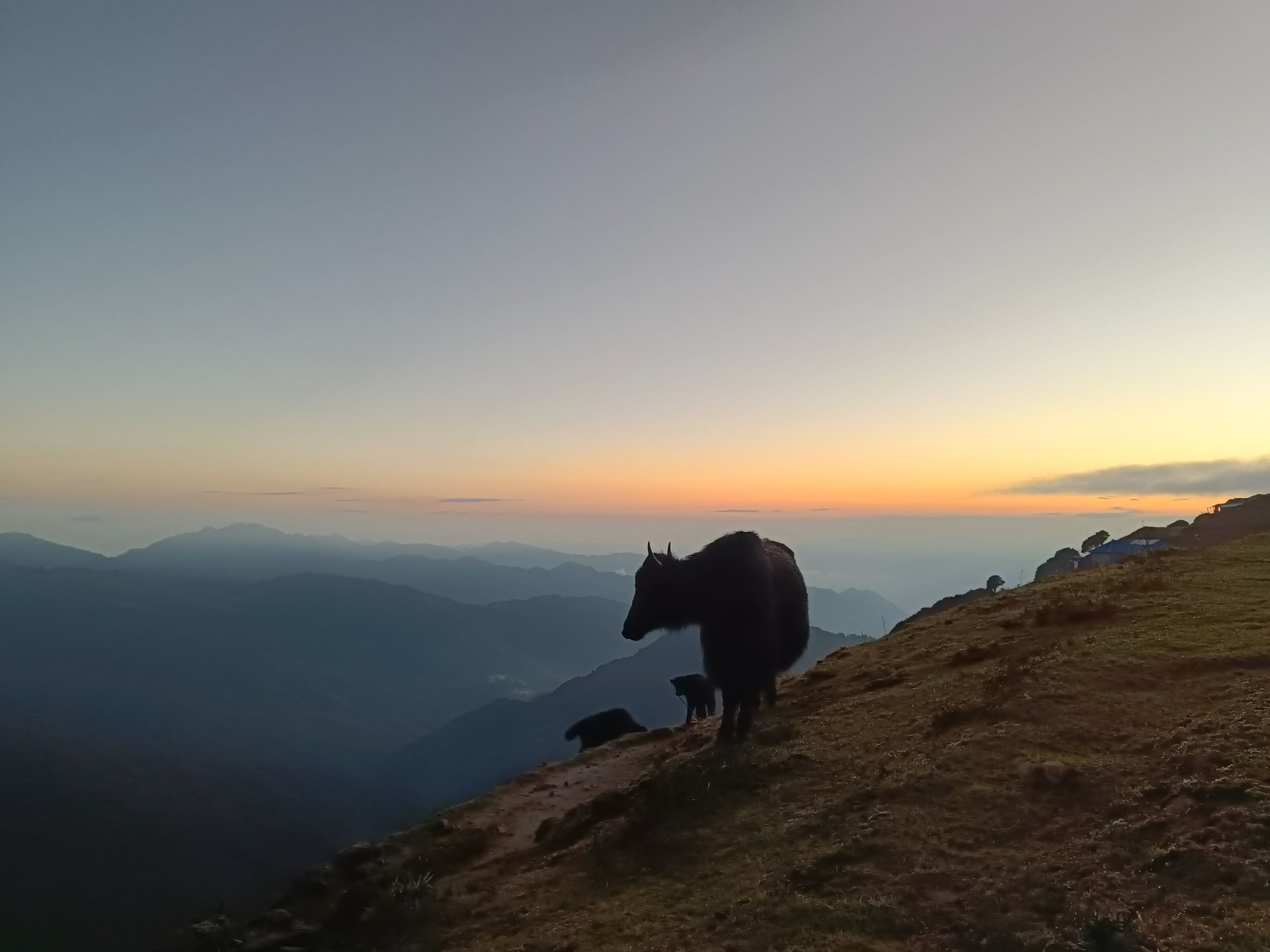
HIGH-ALTITUDE CATTLE
Altitude shapes the milk
These animals live between 8,000 and 13,500 feet. The cold climate and rugged terrain keep them constantly moving and foraging, never standing in a pen. Life up there asks more of a body. There's no better milk.
13.5k
The elevation these cows graze at. Higher than most people live year-round, with thinner air, steeper ground, and wild mountain grasses instead of farmed feed.
CARED FOR, THEIR WHOLE LIVES
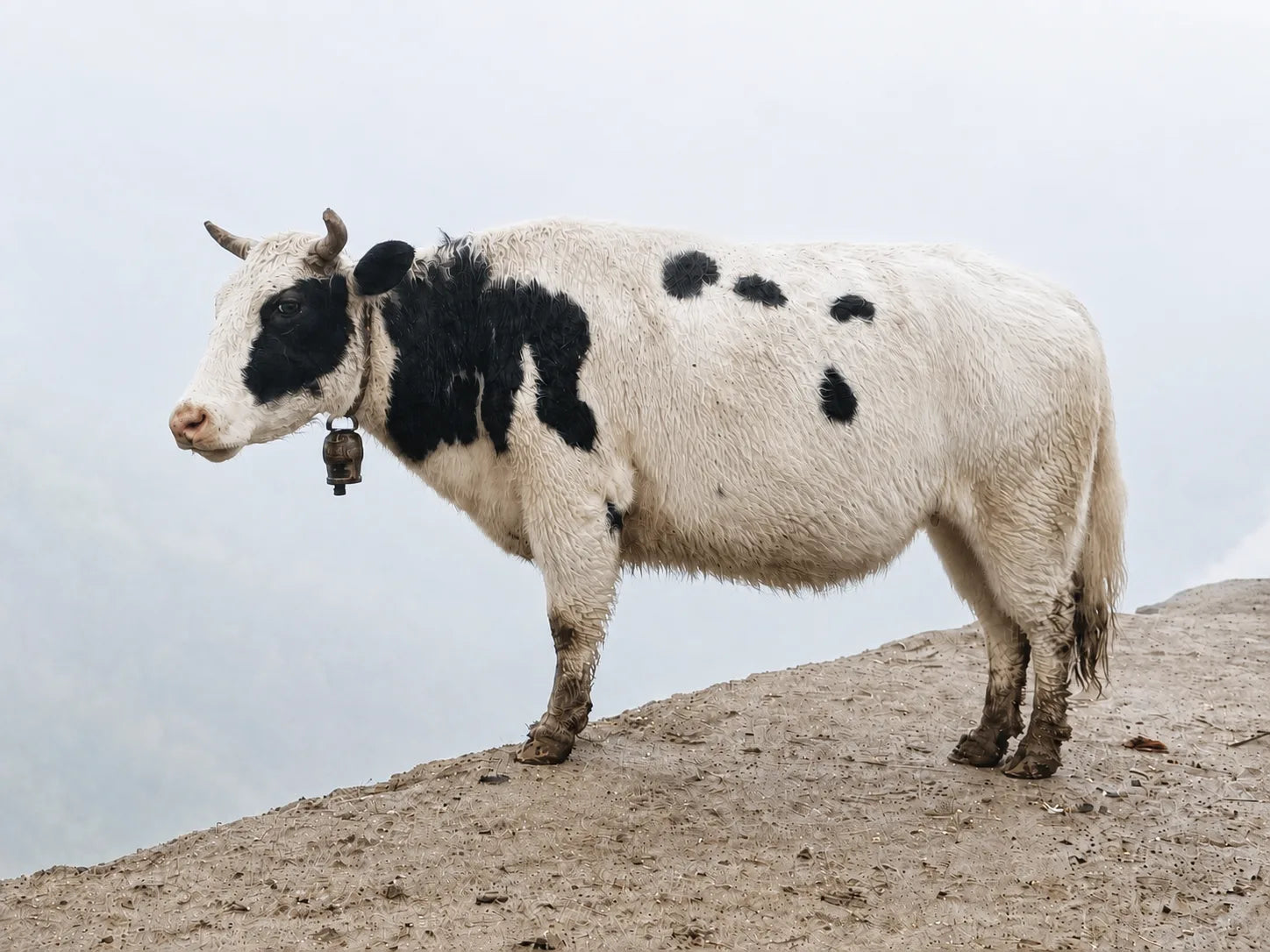
In Hinduism, the cow is sacred.
In Nepal, where over 80% of the population is Hindu, that belief shapes how these animals are treated their entire lives. They are never slaughtered. There is no pressure to maximize production or cut corners on care. That means a healthier animal, and a sourcing story no other country making this chew can tell.
WHY WE’RE TELLING THIS STORY
THE origin IS PART OF THE RECIPE.
We partner with a region that has been making this recipe for generations. The altitude, the tradition, three ingredients: milk, lime juice, and salt. We protect that process because we believe it's what makes this chew what it is. Not the label. The place.


